
Heath Ceramics’ Sausalito, Calif. showroom and factory. Designed in 1959 by
Marquis & Stoller in collaboration with founders Edith and Brian Heath.
Photo by: Kelsey McClellan
Pugs. (Not for petting.) Cakes. (Please don’t eat.) Jiggering. Jollying. (Excuse you.) Blunger. (Oh my.) Grog. (Ahem.) “Happy place.” (You’ll see.) If you’re a ceramics enthusiast, these words likely paint a picture of what goes into crafting a ceramics collection. If not, read on to learn about the process as described by Heath Ceramics’ production team, telling the story of their iconic California brand and the artisanry that has developed over 77 years in business.


A place at the table
Introducing Gathered: a stoneware collection
from Herman Miller + Heath Ceramics

Step 1:
Claymaking
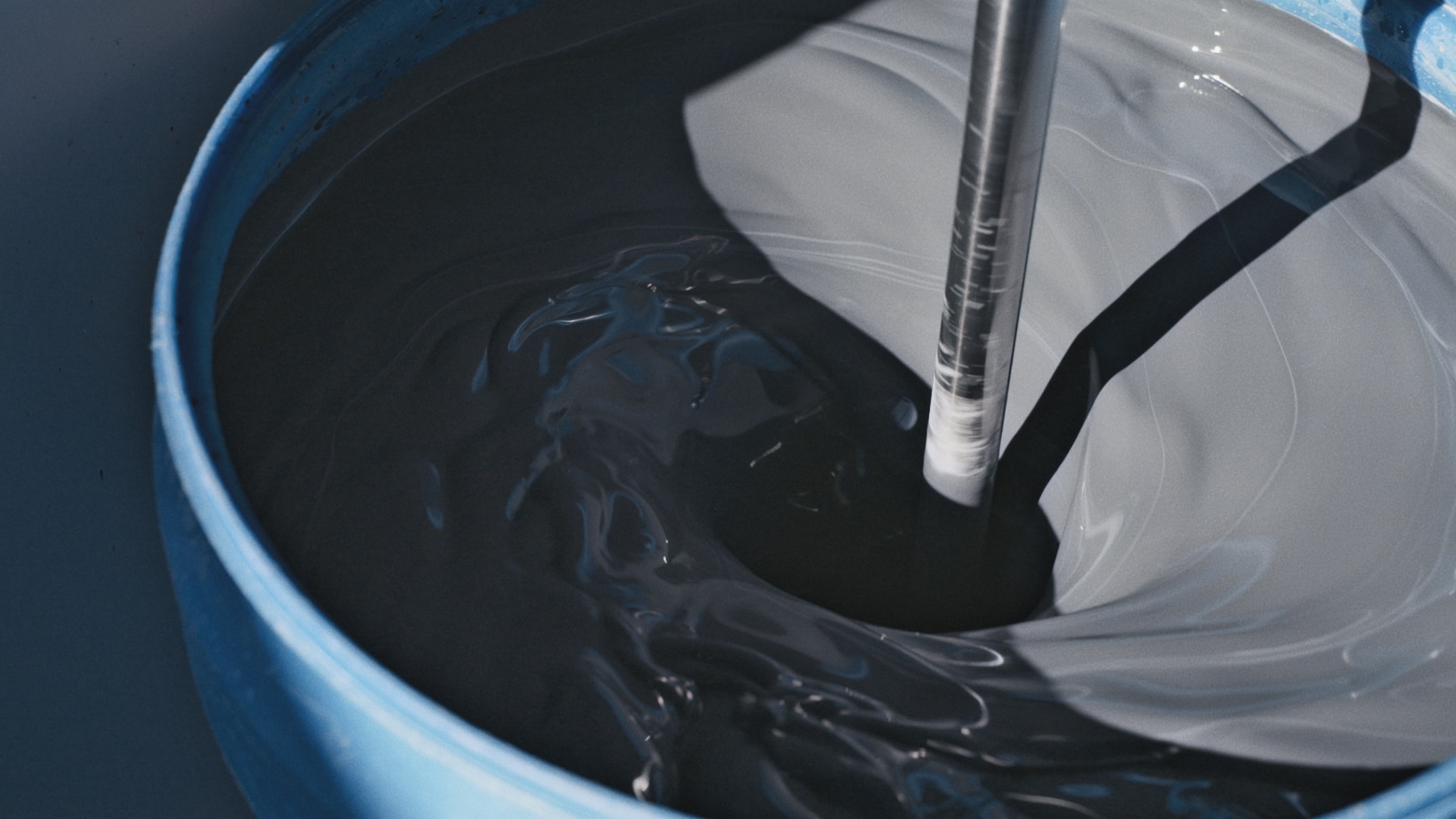
Since its establishment in 1948, Heath Ceramics has used a signature California clay body, found in Lincoln, Calif. at the foothills of the Sierra Nevada mountains. Founder Edith Heath spent years developing a clay recipe herself, using local clay and other materials to achieve the aesthetic and quality she desired. She wanted the clay to reflect the company's California roots—and be durable enough for everyday use. This clay can be fired at lower-than-typical temperatures, helping to save energy, a practice which set an early standard for the company’s sustainable practices. To get the right consistency of the slurry, the dry clay is mixed with water for two hours in the blunger—a behemoth stand mixer. The slurry is pumped into a hydraulic press forming filter cakes, which then make their way to the pug mill to be extruded into cylinders, or “pugs.”
Step 2:
Forming
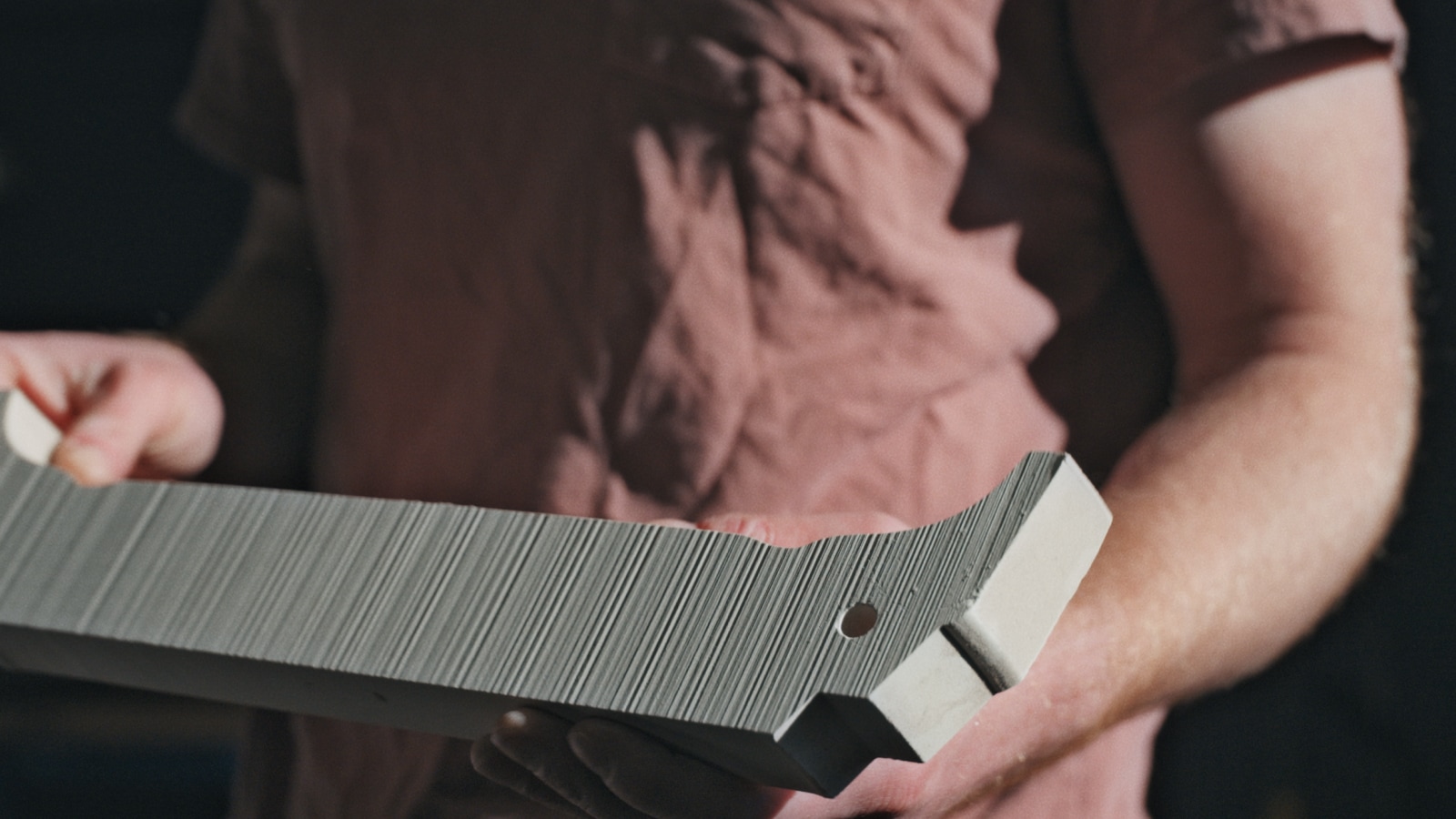
Next stop for the pugs is the forming station, where they’re sized and sorted according to their final forms: bowl, platter, and so on. The pugs are fed through a cutter and made into smaller cakes, where they’re either jiggered: a top-down process where the base of the shape is formed by a rotating plaster mold and then pressed with a tapered “template” to create a concave shape or jollied: following the same essential steps, with an important difference—working from the bottom up instead. Heath’s process is unique in that it balances the variation of hand-making with the consistency of machine-making.
Slip casting is another technique used during the forming step for certain (often more complex) shapes. “Slip” (a water/clay mixture that’s prepared in the blunger) is used to coat the inside of a plaster mold. Once the slip dries, it’s separated from the mold and forms the basis for the finished piece. In this collection, the handle of the Studio Mug is formed by slip casting (and attached by hand to the cup).
Step 3: Drying
and Trimming
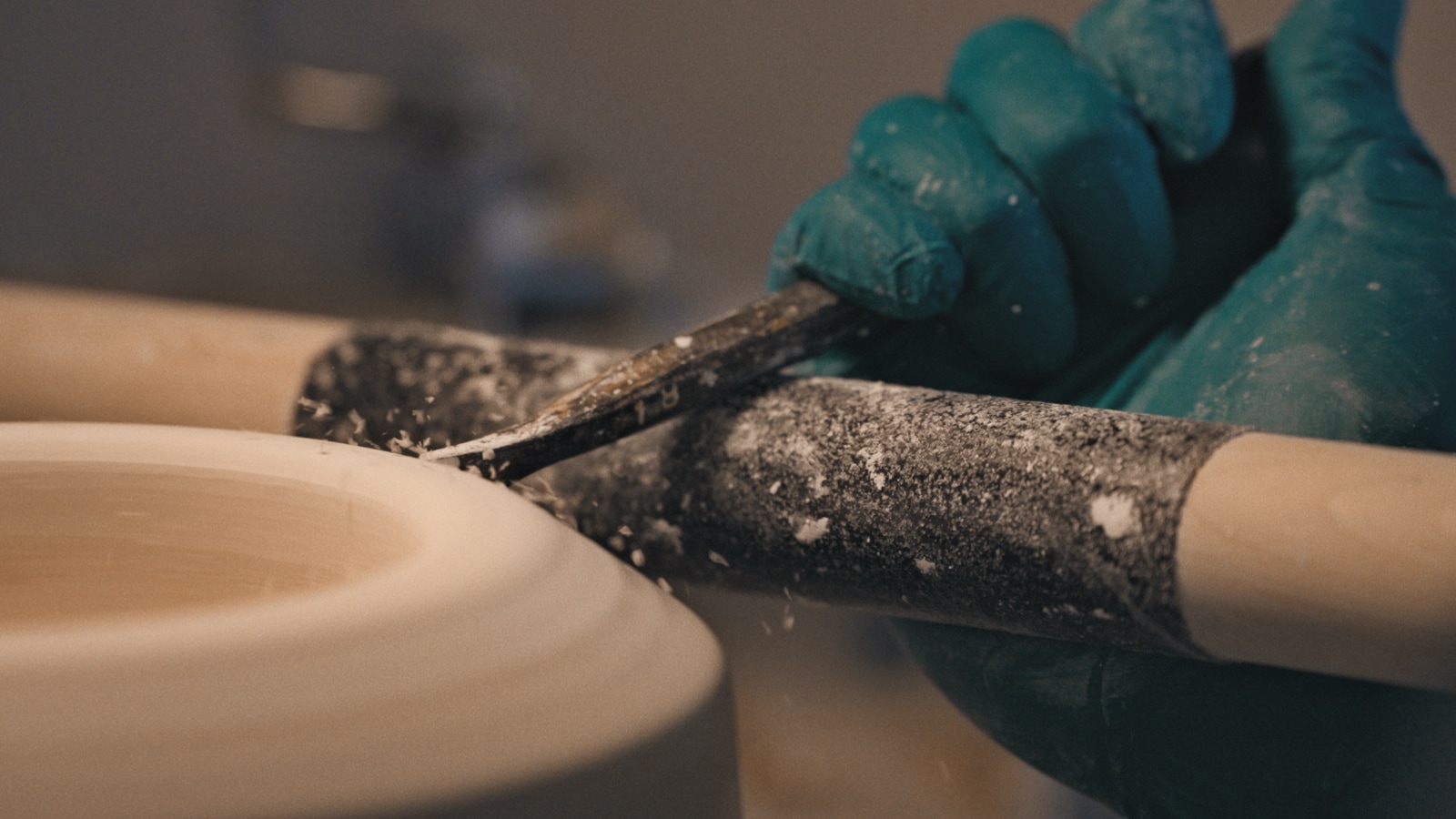
After a piece is formed, it’s placed into a dryer—no fire, just warm air. With time, the clay’s moisture is essentially removed. These more brittle, dried-out pieces are called “greenware.”
Trimming is next. The greenware is spun on a wheel and pared down by hand using shaping tools and exacting pressure. Each unfinished edge gets scraped until smooth. If a piece breaks or is mis-formed during this stage, elements are recovered and returned to the blunger (along with any other fine bits of clay) to start the process all over again—resulting in very little waste.
Step 4: Glazing
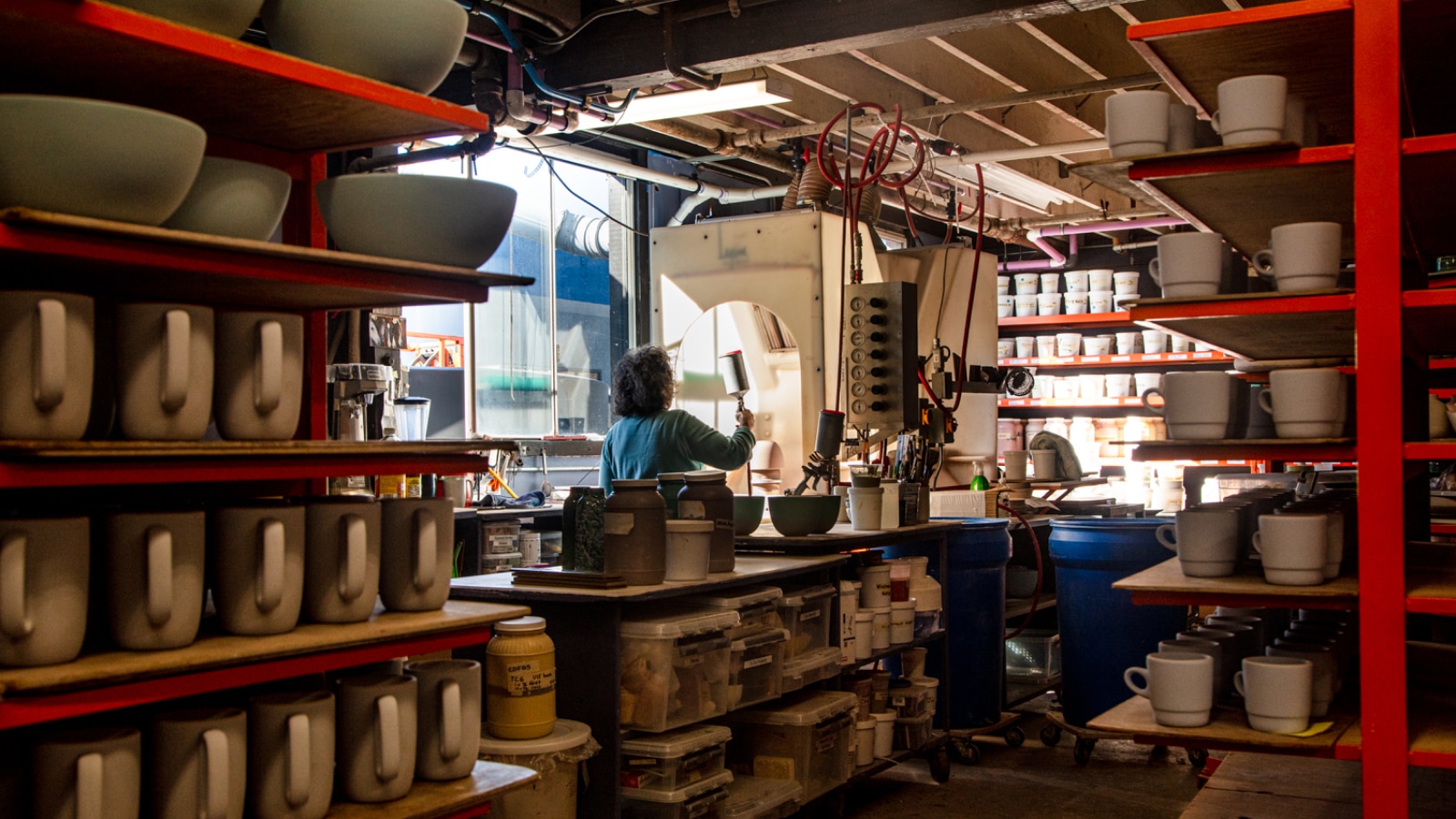
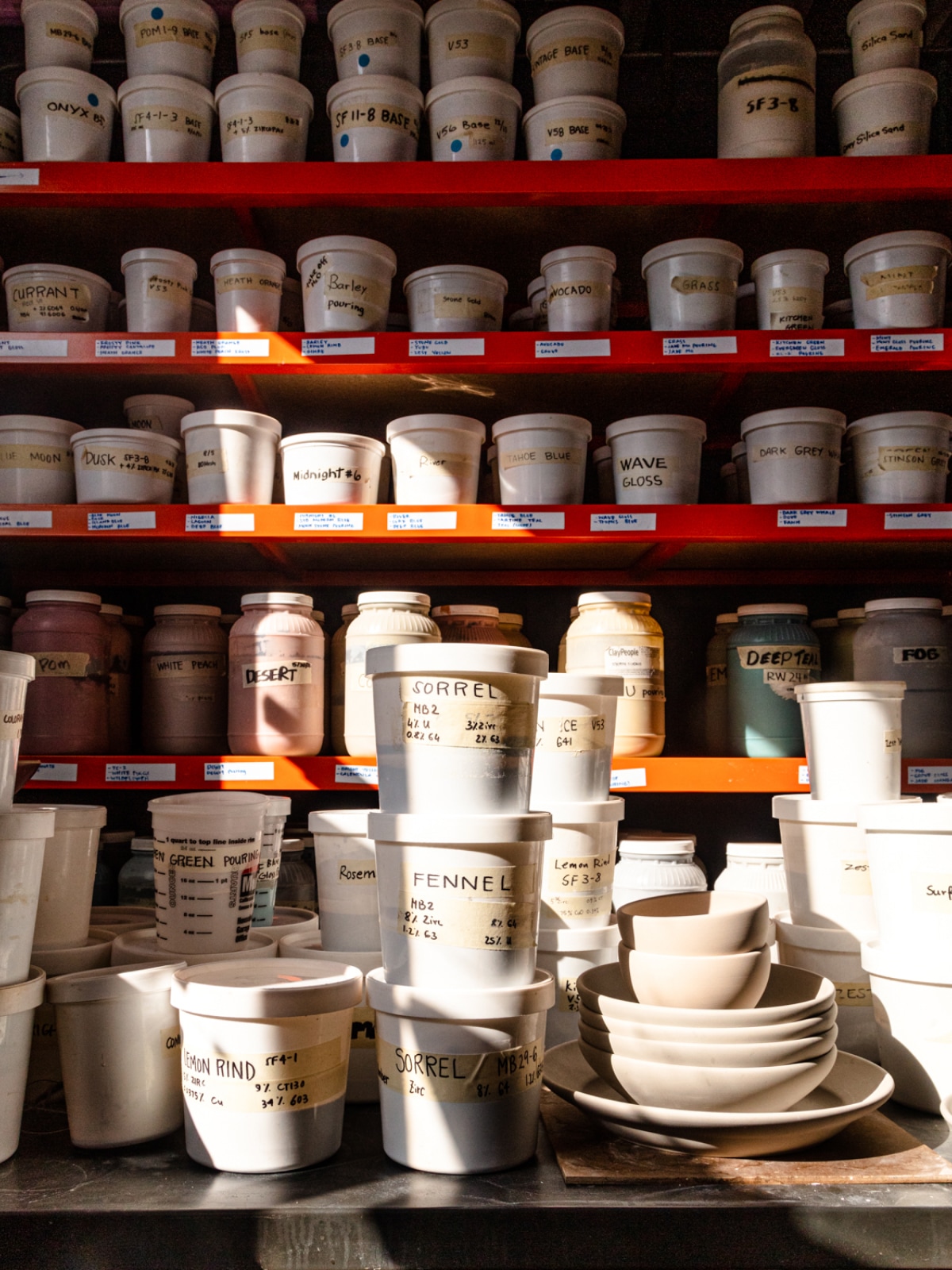
Formed, dried, and trimmed, the piece is off to be glazed: highly textured matte to smoother matte, and from satin to gloss. These glaze recipes are developed and mixed in-house to allow the glaze to chemically react to the clay’s natural materials during the firing process. Glazers, who undergo months of training due to the amount of experience needed to ensure uniform glaze application, set up in special booths armed with spray guns to coat each piece.

Step 5: Firing
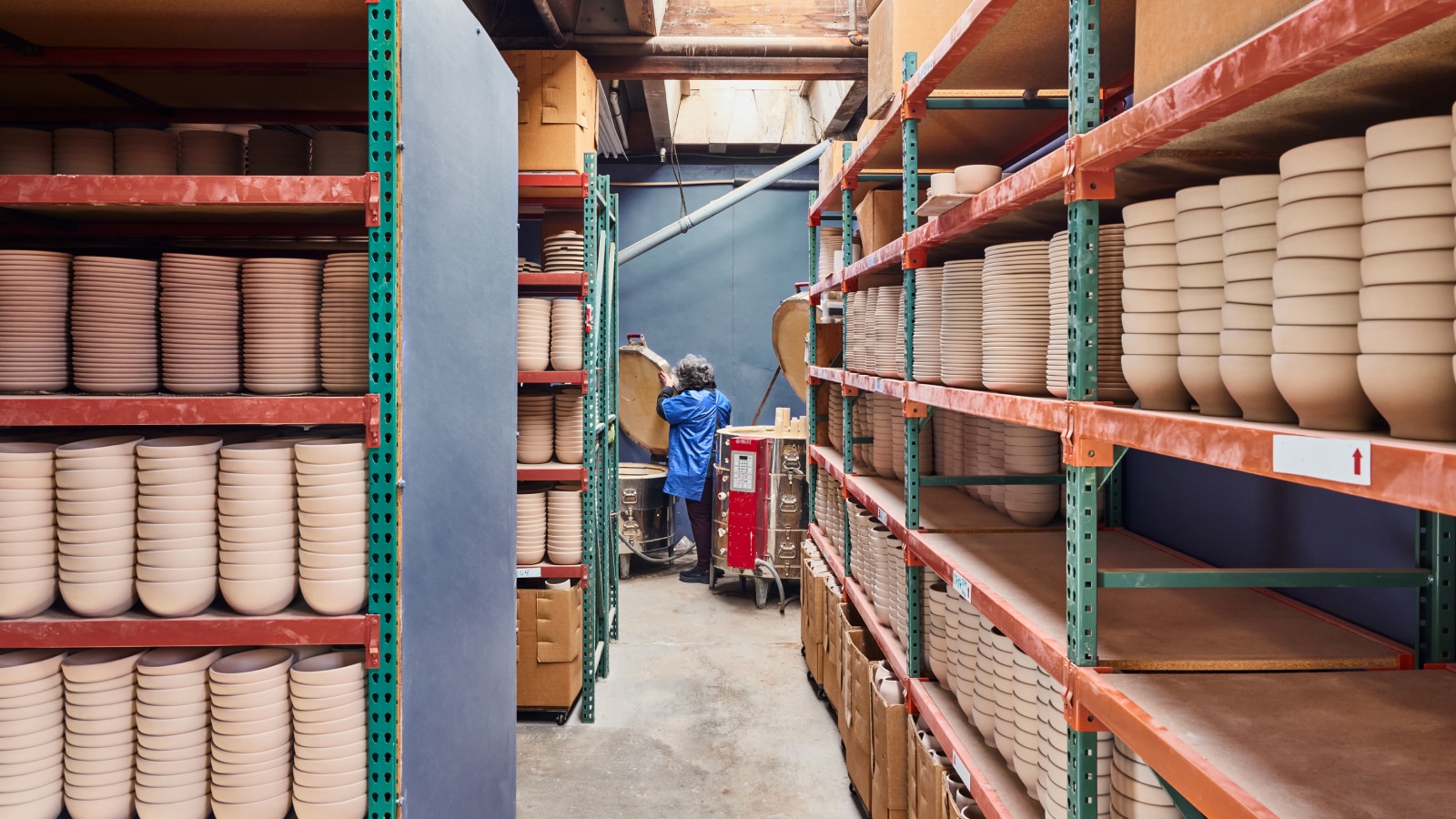
Set at 2,080-degrees Fahrenheit (Cone 03, a surprisingly low temperature for the quality of ceramic produced), the kilns are constantly monitored by a skilled fire person to ensure even temperatures. Like many home ovens, the Sausalito kilns have hot and cool spots, so each glaze is carefully loaded into its own “happy place,” while maximizing space within the kiln. The firing process catalyzes a chemical reaction between the natural elements in the clay and glaze, which results in textural and color qualities that define Heath’s aesthetic.
Step 6: Quality
Control
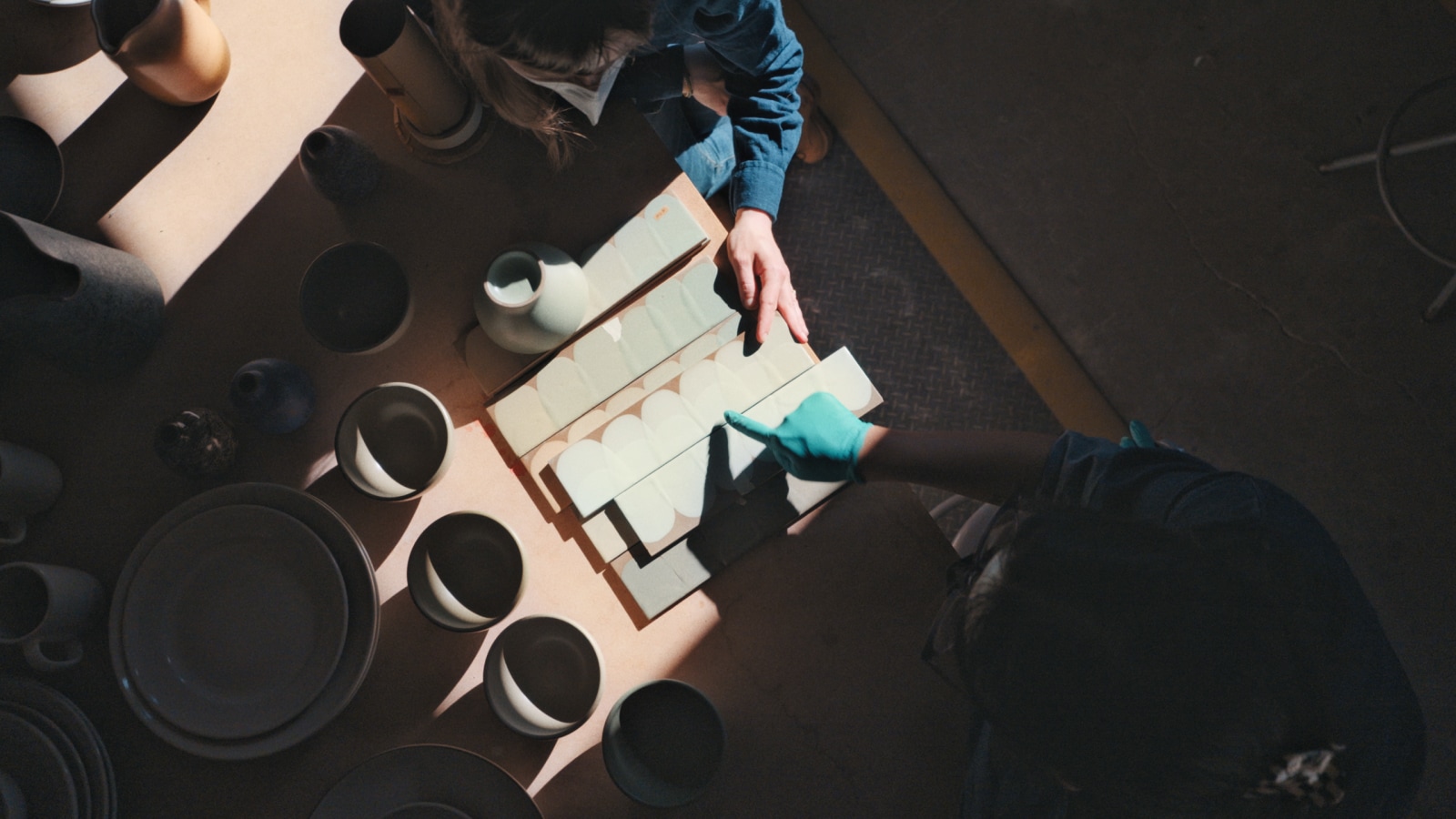
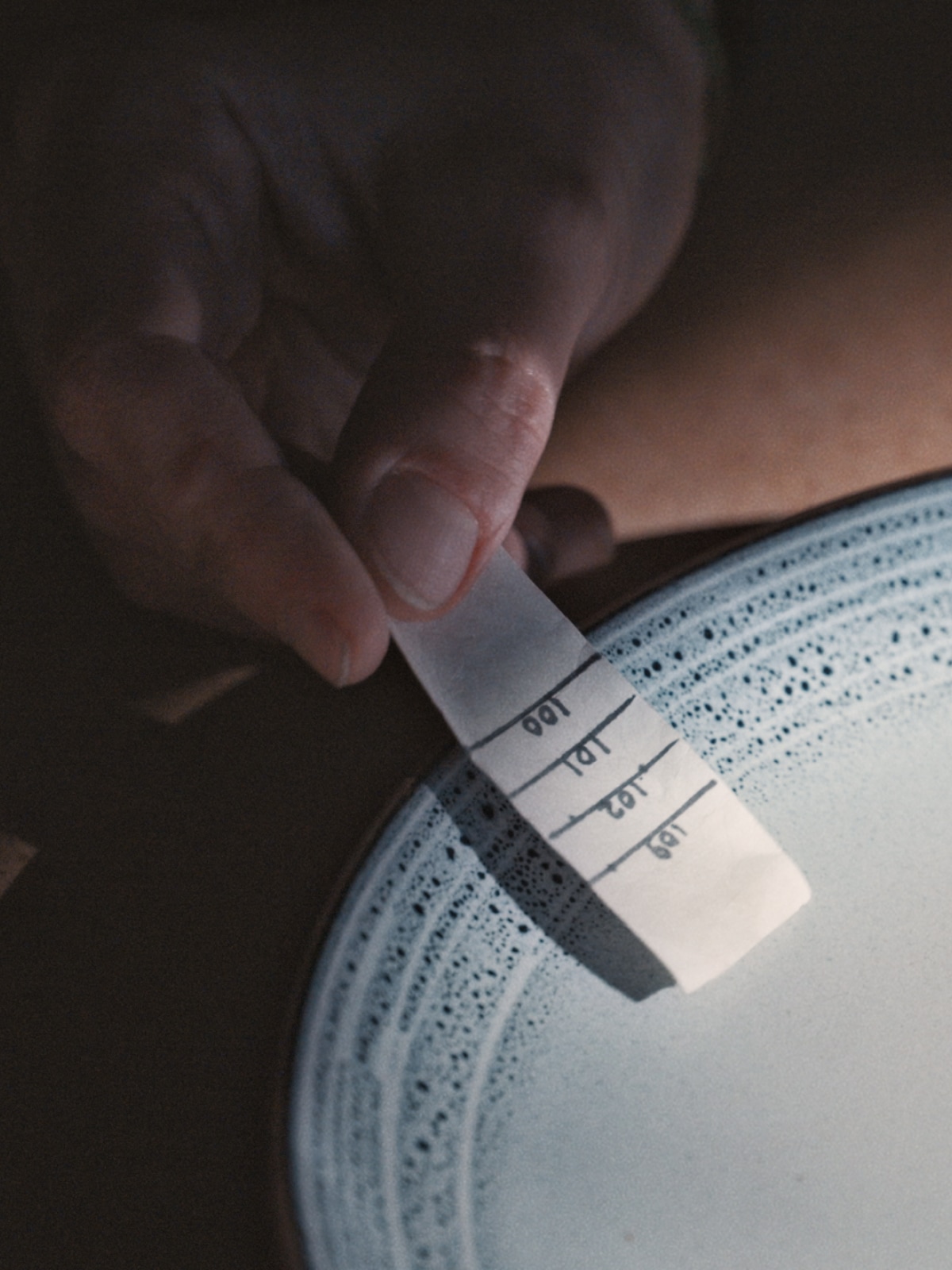
When a piece exits the kiln, the quality control team carefully inspects it by sight and hand to ensure it meets their standards. The process is organic. “We find beauty in the piece-to-piece variation that emerges from the hand-made steps in the process and from the alchemy that occurs during firing,” Design Director Rosalie Wild says. Each inspector uses physical reference pieces in the library to articulate the boundaries of variation for each glaze and shape, so good judgment and expertise are paramount to their duties. If a piece has passed inspection, it’s ready for purchase.
Save your tears for the pieces that don’t make the cut: They could be sold as seconds through Heath at a discounted price; donated to student art classes; or recycled as “grog,” which becomes repurposed as an ingredient for concrete. “We see beauty in imperfection and know that there’s a lifetime of use and enjoyment to be had in our second-quality pieces,” Wild says. “Edith was an extremely resourceful person and business owner, and that ethos lives on at Heath to this day.”

Related Articles
-
Color Play

-
Kindred Spirits

-
Behind the scenes at Herman Miller's Test Lab