Overview
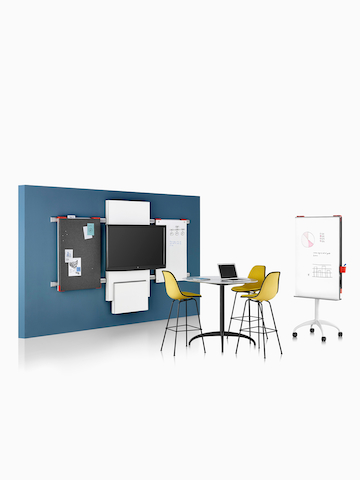
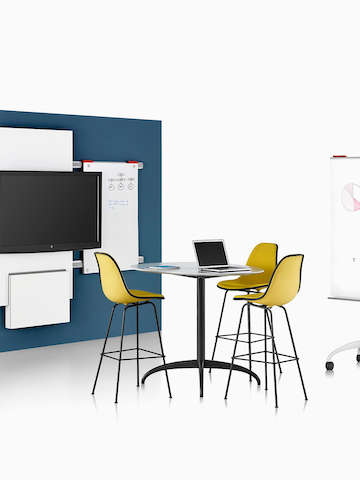
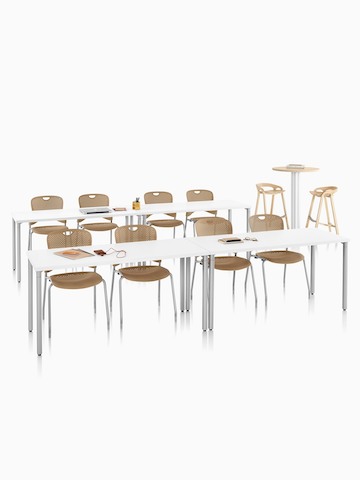
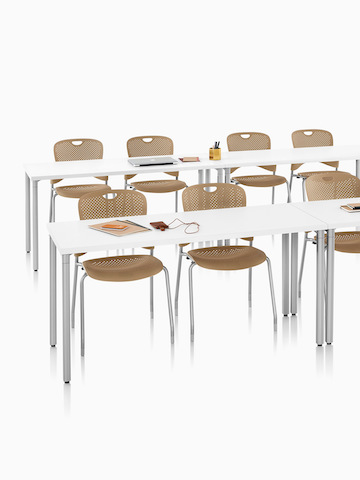
Aligning kinds of formal learning spaces to new ways of teaching and learning creates endless opportunities to encourage and strengthen student/faculty interactions.
Adaptable
Formal learning spaces that adapt to and even take advantage of tomorrow's changes create new opportunities and increase the effectiveness of the space.
Social
A key indicator of student success is engagement. Formal learning spaces that foster peer-to-peer and student-faculty interactions increase the level of students' participation and the odds of their success.
Stimulating
Many formal learning spaces do not have the luxury of outdoor vistas and natural daylighting. Consider opportunities for connecting to nature through color, lighting, and displays of students' work.
Healthful
Students report the need for comfortable seating in formal learning spaces. Other key elements of a healthful formal learning space include ergonomics, air quality, and lighting.
Resourceful
For a formal learning space to be resourceful, it must not only meet the needs of the students, but also must support the expected learning outcomes.
Sustainable
Many aspects of sustainability are pertinent to formal learning spaces. Consider creating formal learning space that incorporates sustainable technology.