
Designed by Charles and Ray Eames
Eames Molded Plastic Chair

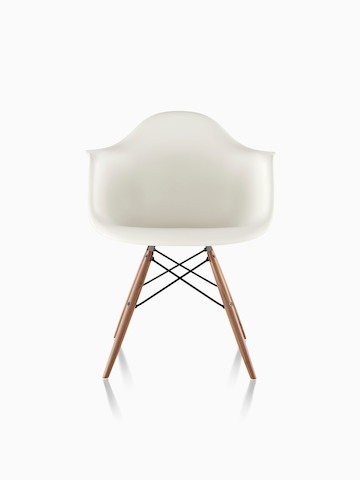
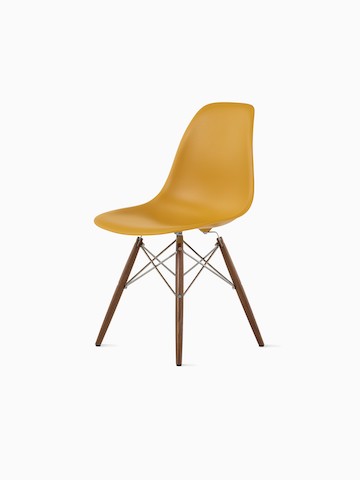
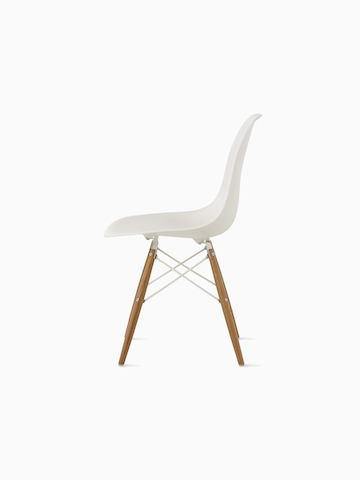
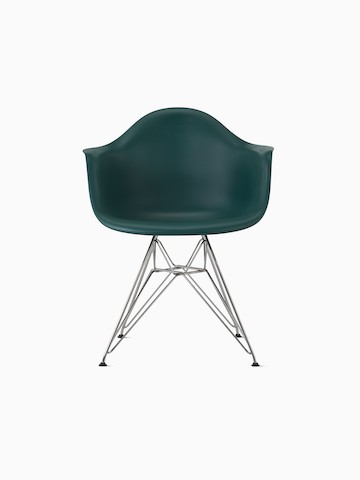
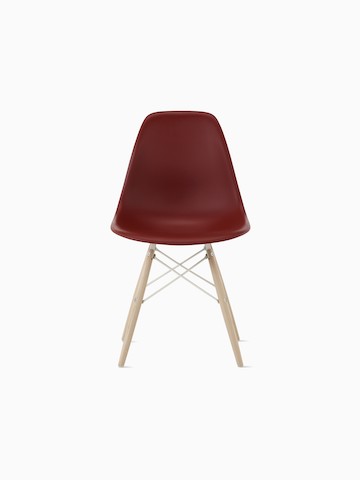
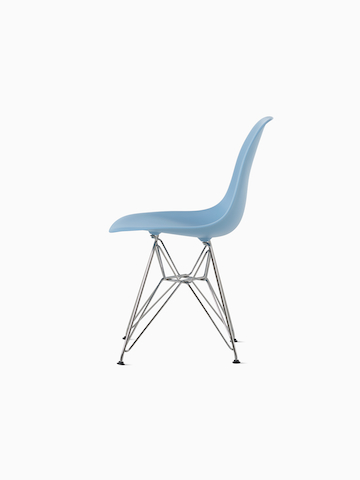
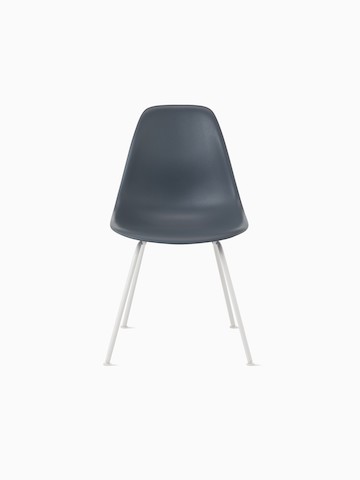
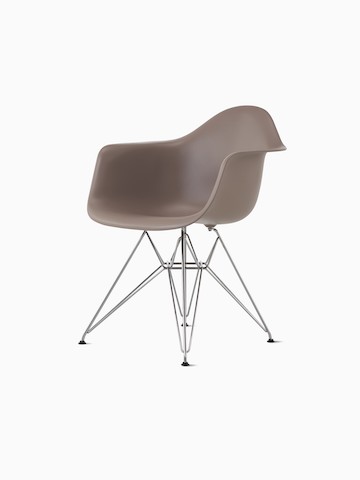
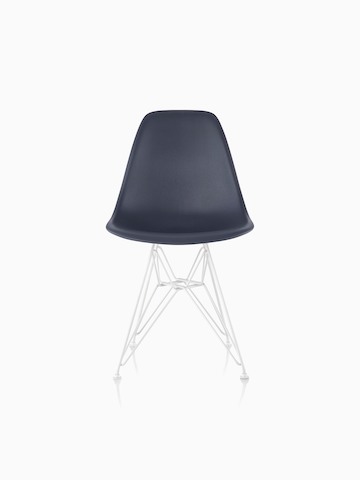
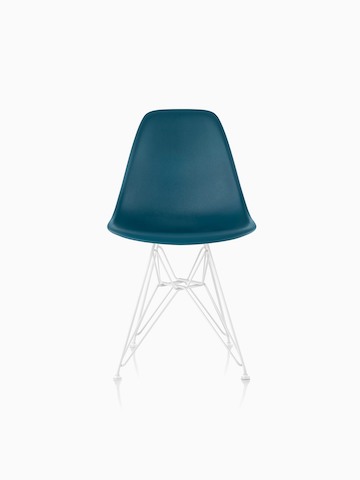
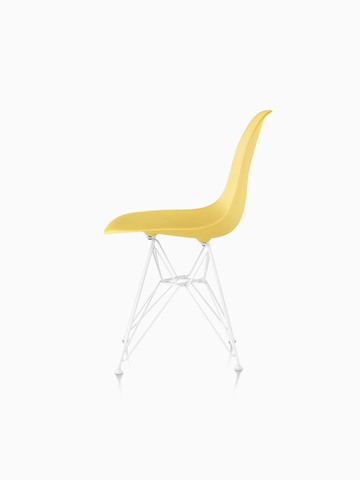
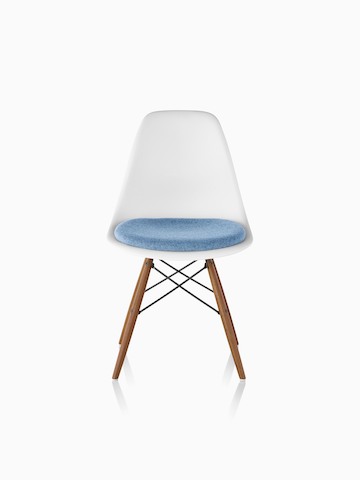
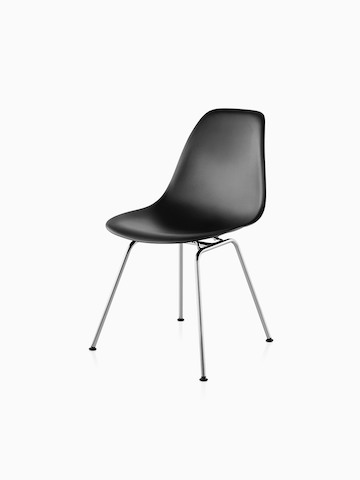
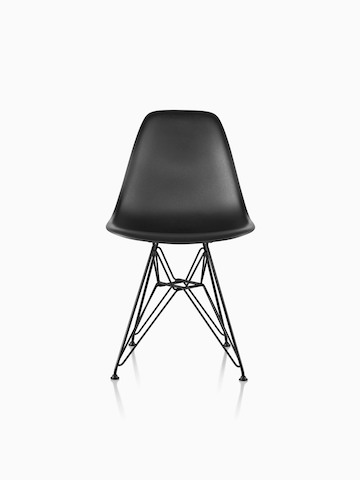
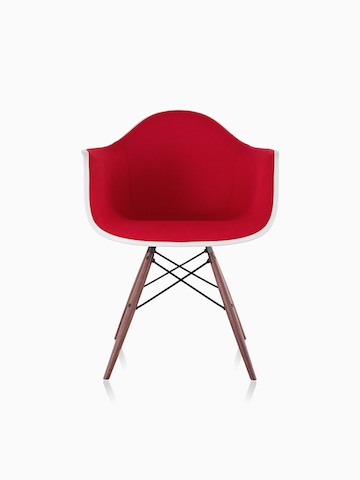
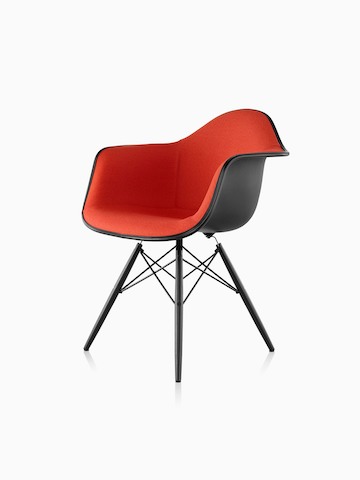
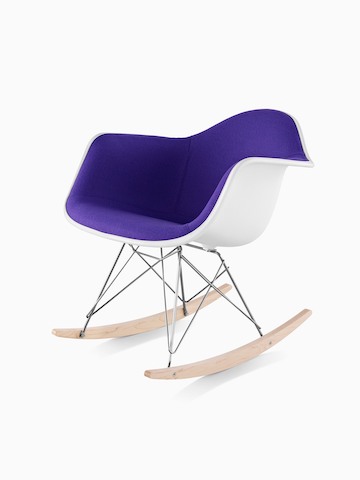
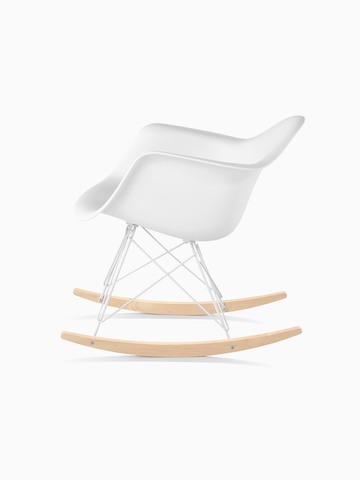
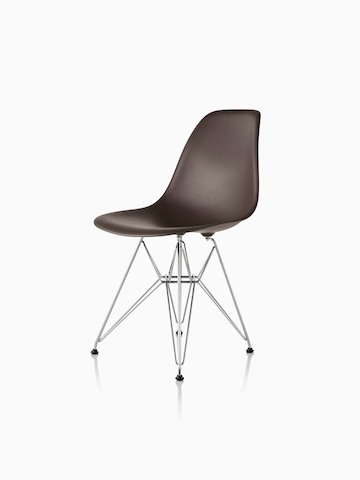
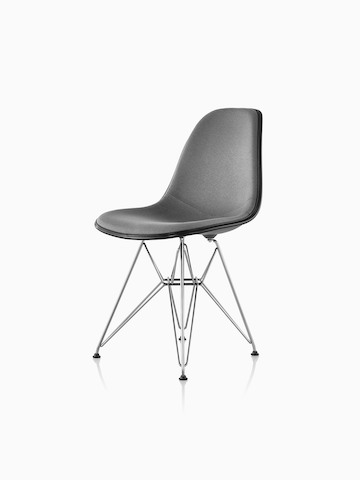
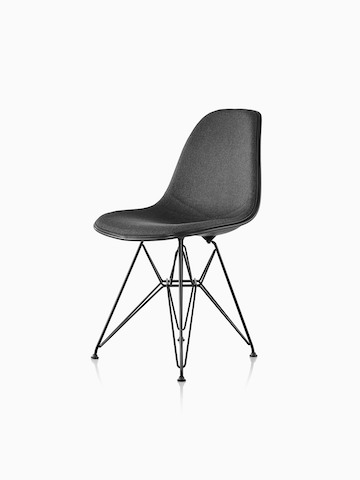

Eames Molded Plastic Chair
Charles and Ray Eames spent their entire careers exploring the chair as a single-shell form, yielding numerous expressions—beginning in 1950 with the Molded Fiberglass Chair. Most recently, the Molded Plastic Chair evolved to include 100 percent recycled plastic. Atop a 4-leg bar or counter-height base, the durable shell chairs make spaces more inviting and stylish. Beyond the growing selection of plastic shell colors, Eames Molded Plastic Stools are also available fully upholstered or with a seat pad for enhanced comfort.
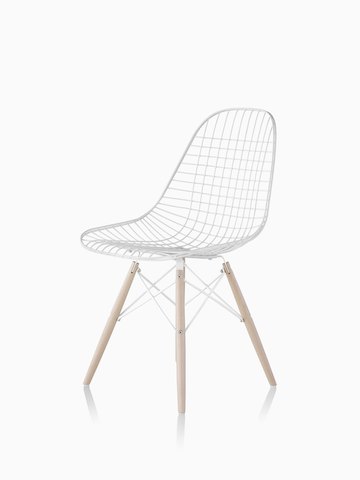
“The role of the designer is that of a very good, thoughtful host anticipating the needs of his guests,” Charles Eames said. With the molded plastic, fiberglass, and wood shell chairs—as well as the wire chair—the Eameses have created a universal response to what everyone wants from a chair: a simple, gracious form that fits any body and every place.

For every need
Charles Eames famously said, “The role of the designer is that of a very good, thoughtful host anticipating the needs of his guests.” With the molded plastic, fiberglass, and wood shell chairs—as well as the wire chair—the Eameses have created a universal response to what everyone wants from a chair: a simple, gracious form that fits any body and every place.


In every way
Borne out of Charles Eames and Eero Saarinen’s early investigations molding plywood at Cranbrook Academy in 1939, and continued with Ray at the Eames studio in Venice, California, the molded chair is exemplary of the Eameses’ iterative process and their desire to make “the best for the most for the least.” With each new form, finish, and configuration, the Eameses continued to push the boundaries of what the shell chair could be. After experimenting with single-form plywood and stamped metal, they turned to fiberglass and experimented with bent wire. When fiberglass production proved unhealthy for the environment, the decision was made to switch production to a safer plastic. Now, with advancements in safe fiberglass composition, dynamic veneer technologies, and sustainable materials, the evolution continues with the Molded Fiberglass, Molded Wood, and Molded Plastic Chairs.
For everyone
The Eames Shell Chair was designed on the principle of adaptability, offering innumerable configurations to serve a wide variety of applications and environments. It’s what makes the chair a classic worthy of museum collections—and living rooms, laundromats, lobbies, and cafés. It’s what makes it a great first piece of furniture to buy in your twenties, that’s still worthy and relevant enough to hand down to your children 20 years later. A diverse selection of shell, base, color, and finish options enable you to create your perfect chair. Just like every person, every chair has a story.

Herman Miller x HAY
Classic Eames designs thoughtfully reimagined by Danish design house HAY.


-
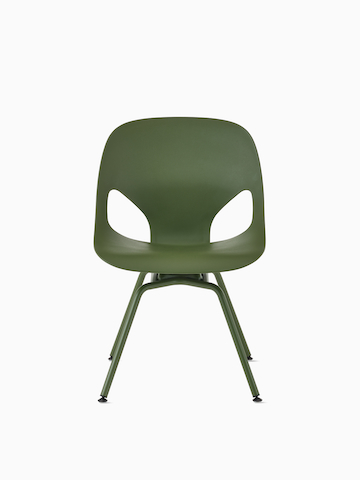
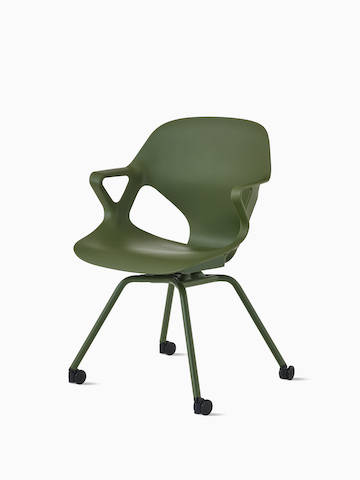 Zeph Side Chair Herman Miller
 -

 Setu Side Chair Herman Miller
 -
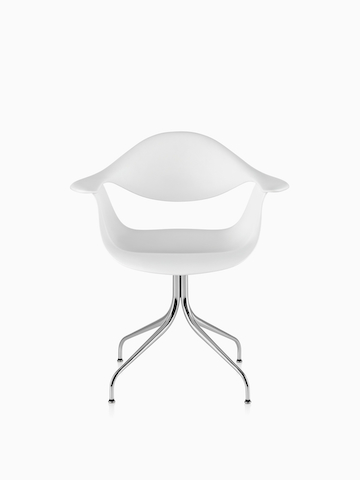
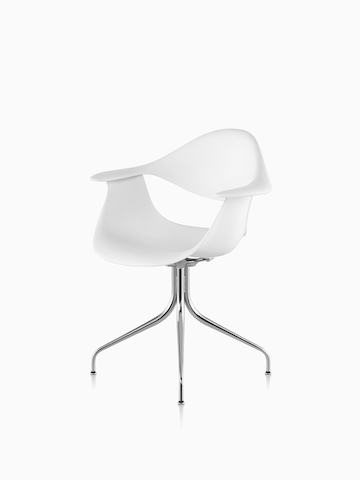 Nelson Swag Leg Armchair Herman Miller
 -
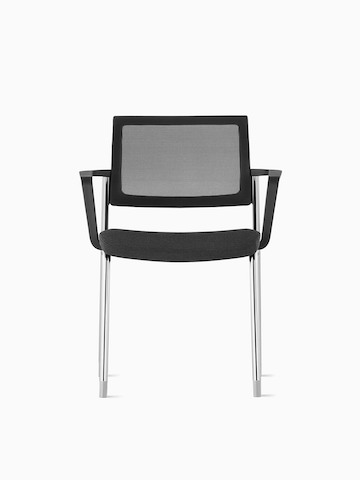
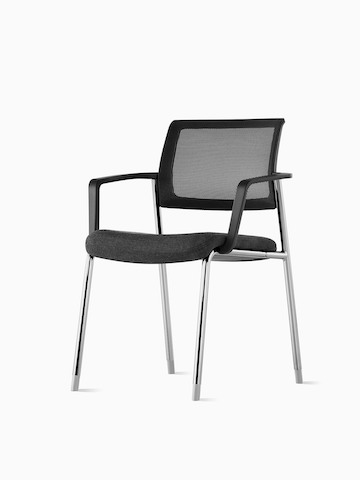 Verus Side Chairs Herman Miller
 -
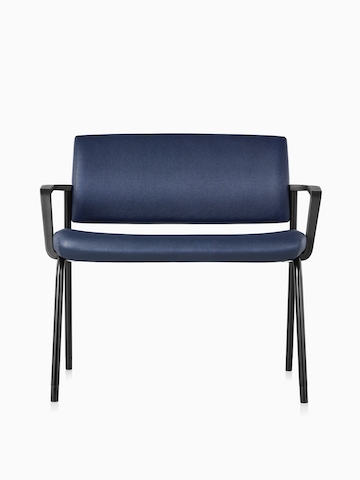
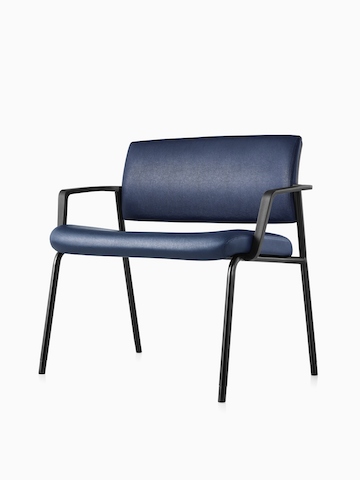 Verus Plus Chairs Herman Miller
 -
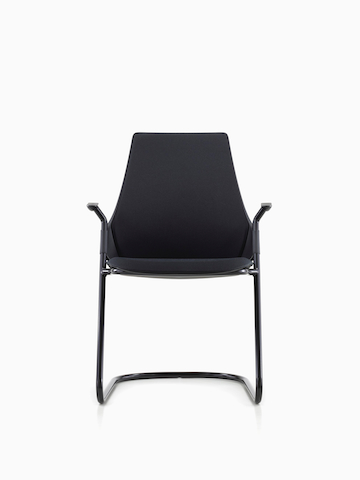
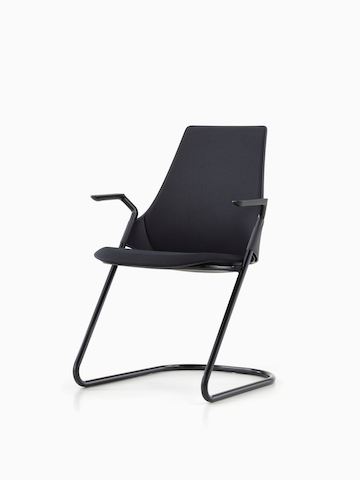 Sayl Side Chairs Herman Miller
 -
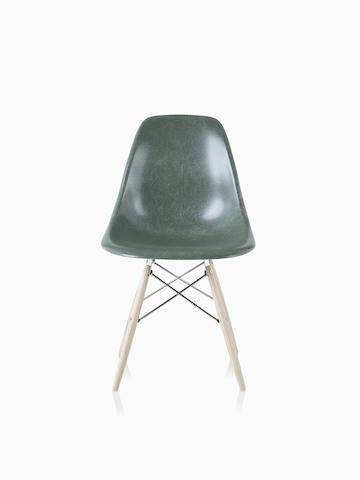
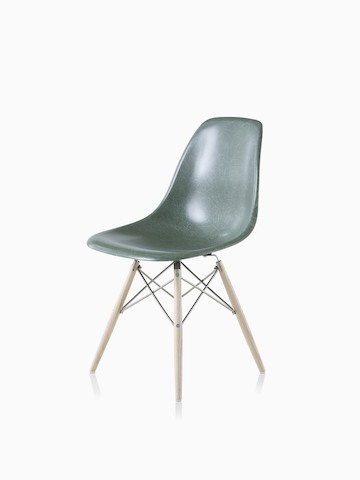 Eames Molded Fiberglass Chairs Herman Miller
 -

 Eames Molded Plastic Dining Chair Herman Miller
 -
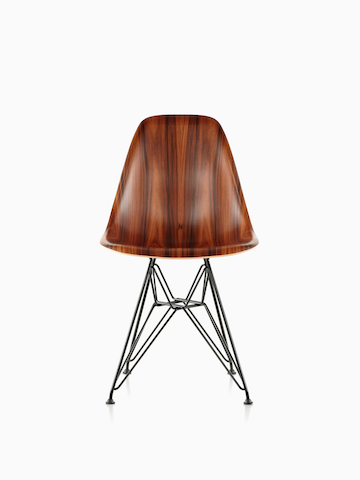
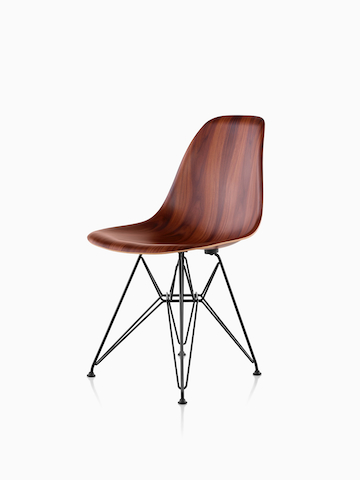 Eames Molded Wood Chairs Herman Miller
 -
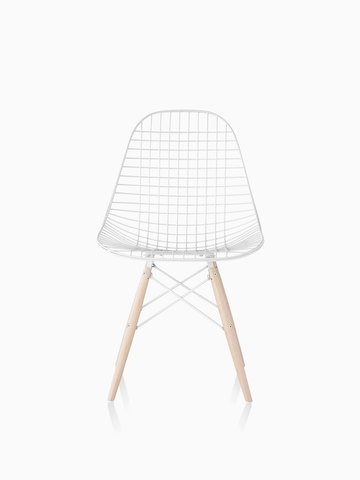
 Eames Wire Chairs Herman Miller